


Introduction
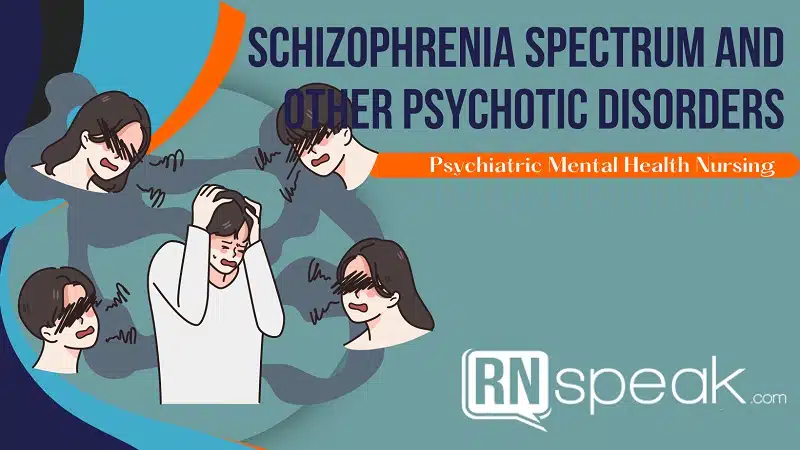
Schizophrenia is a severe, chronic psychiatric disorder characterized by disturbances in thought, perception, affect, and behavior. Globally, it affects more than 24 million people—approximately 1 in 300 individuals (World Health Organization [WHO], 2023). The lifetime prevalence is estimated at 0.5–0.7%, affecting individuals across all cultures, races, and socioeconomic groups (American Psychiatric Association [APA], 2022). It remains one of the top 15 leading causes of disability worldwide, profoundly impairing work, education, family life, and social functioning.
The DSM-5-TR (APA, 2022) defines schizophrenia as a disorder with persistent psychotic symptoms lasting at least six months, involving delusions, hallucinations, disorganized speech or behavior, and/or negative symptoms that interfere with major life activities. Unlike earlier editions, the DSM-5-TR emphasizes dimensional symptom assessment (positive, negative, cognitive, affective) rather than rigid diagnostic subtypes.
Although historically stigmatized, advances in neuroscience, genetics, and psychiatric nursing practice have significantly improved understanding and management. Nurses play a central role in the multidisciplinary approach—facilitating medication adherence, therapeutic communication, psychoeducation, relapse prevention, and increasingly, digital mental health support through telepsychiatry and mobile health technologies.
Historical Background
- The term schizophrenia comes from the Greek words schizo (split) and phren (mind).
- Emil Kraepelin (1887) first described it as dementia praecox, an early-onset psychosis with progressive decline.
- Eugen Bleuler (1911) introduced the modern term schizophrenia and identified the “4 A’s”:
- Affect disturbance
- Autism (social withdrawal)
- Ambivalence
- Associative looseness (disorganized thinking)
Nursing relevance: Bleuler’s concepts remain clinically useful for identifying negative symptoms, communication barriers, and functional decline, which are central to nursing assessments.
Etiology (Causes)
Schizophrenia is multifactorial, shaped by genetic, neurobiological, developmental, and psychosocial influences.
1. Genetic Predisposition
- Strong heritability: Monozygotic twins show 40–50% concordance; first-degree relatives carry ~10% risk.
- Polygenic risk variants and chromosomal abnormalities have been identified (Hilker et al., 2018).
- The diathesis-stress model explains onset as genetic vulnerability triggered by environmental stressors.
2. Neurobiological Theories
- Dopamine Hypothesis: Hyperactivity in the mesolimbic pathway contributes to positive symptoms; hypoactivity in the mesocortical pathway contributes to negative and cognitive symptoms (NIMH, 2023).
- Glutamate Hypothesis: NMDA receptor hypofunction disrupts neural signaling.
- Serotonin Dysregulation: Explains the effectiveness of second-generation antipsychotics.
- Neuroimaging Findings: Cortical thinning, hippocampal atrophy, and ventricular enlargement.
3. Perinatal & Developmental Factors
- Maternal malnutrition, hypoxia, and viral infections during pregnancy.
- Obstetric complications and low birth weight are linked to a higher risk (WHO, 2023).
4. Environmental & Psychosocial Stressors
- Urban upbringing, migration, poverty, trauma, and stigma.
- Substance use—especially cannabis and synthetic cannabinoids—is associated with earlier onset and worse prognosis (Murrie et al., 2020).
5. Emerging Findings
- Gut-brain axis & inflammation: Altered microbiota and systemic inflammation correlate with symptom severity (Nguyen et al., 2021).
- Early trauma & isolation: Strong predictors of chronicity and poor recovery outcomes.
Nursing implications: Nurses are key in screening for risk factors, educating about substance use, and supporting stress management to reduce relapse.
Phases of Schizophrenia
1. Prodromal Phase
- Subtle changes: withdrawal, unusual thoughts, decline in functioning.
- May last for weeks or years.
- Nursing role: early detection, family education, and timely referral.
2. Active (Acute) Phase
- Prominent psychotic symptoms: delusions, hallucinations, disorganized behavior.
- Often requires hospitalization.
- Nursing role: ensure safety, manage agitation, therapeutic communication, and administer medication.
3. Residual/Recovery Phase
- Positive symptoms diminish, but negative and cognitive symptoms often persist.
- Relapse is common without maintenance treatment.
- Nursing role: promote adherence, community reintegration, and relapse prevention.
Clinical Symptoms (DSM-5-TR, 2022)
| Category | Examples | Nursing Implications |
|---|---|---|
| Positive Symptoms | Delusions, hallucinations, disorganized speech, bizarre behavior | Avoid arguing with delusions; use reality orientation; monitor safety |
| Negative Symptoms | Anhedonia, affective flattening, alogia, avolition | Encourage socialization, reinforce achievements, support ADLs |
| Cognitive Symptoms | Impaired attention, memory deficits, poor executive function | Use simple instructions, provide reminders, assess functioning |
| Affective Symptoms | Depression, anxiety, suicidality | Monitor mood, implement suicide precautions, teach coping skills |
Diagnosis (DSM-5-TR, 2022)
Criteria include:
- At least two core symptoms (delusions, hallucinations, disorganized speech, disorganized/catatonic behavior, negative symptoms), with at least one being delusions, hallucinations, or disorganized speech.
- Duration at least 6 months, including at least 1 month of active-phase symptoms.
- Functional impairment in work, school, relationships, or self-care.
- Exclusion of schizoaffective disorder, bipolar disorder, major depression with psychosis, or substance/medical causes.
Note: Subtypes (paranoid, catatonic, disorganized) were removed due to poor diagnostic reliability.
Related Disorders
- Schizoaffective disorder: Schizophrenia + mood disorder.
- Schizophreniform disorder: Duration <6 months.
- Brief psychotic disorder: Duration <1 month, often stress-induced.
- Substance/medical-induced psychosis.
Nursing focus: Careful differentiation prevents misdiagnosis and ensures appropriate treatment.
Nursing Process
Assessment
- Evaluate thought content, perception, affect, cognition, and functioning.
- Assess risks: suicide, aggression, self-neglect.
- Medication adherence and side effects (e.g., AIMS for tardive dyskinesia).
- Use standardized tools: PANSS (Positive and Negative Syndrome Scale).
Common Nursing Diagnoses (NANDA-I, 2023)
- Disturbed thought processes
- Disturbed sensory perception
- Impaired health maintenance
- Ineffective coping
- Social isolation
- Risk for violence
- Self-care deficit
- Impaired verbal communication
- Nonadherence to treatment
Planning
- Short-term goals: symptom stabilization, safety, and trust building.
- Long-term goals: coping skills, adherence, social/vocational functioning.
Implementation
- Structured, low-stimulus environment.
- Therapeutic communication (simple, concrete, nonjudgmental).
- Psychoeducation for patient and family.
- Encourage group therapy, CBT, and skills training.
- Use digital interventions (telehealth, mobile apps).
Evaluation
- Symptom reduction, adherence, improved ADLs, family participation, and relapse prevention.
Nursing Care Plans (Examples)
| Diagnosis | SMART Goal | Interventions | Rationale |
|---|---|---|---|
| Disturbed Thought Processes | Within 1 week, patient will verbalize one reality-based thought | Use simple communication, avoid reinforcing delusions, provide reality-based feedback | Anchors patient in reality |
| Risk for Violence | Patient will remain free from harm during hospitalization | Use simple communication, avoid reinforcing delusions, and provide reality-based feedback | Ensures safety |
| Self-Care Deficit | Within 5 days, patient will complete hygiene tasks with minimal prompting | Encourage gradual interaction, peer support, and positive reinforcement | Promotes independence |
| Social Isolation | Within 2 weeks, patient will join one group activity | Teach relaxation, model problem-solving, and provide supportive counseling | Builds social skills |
| Ineffective Coping | By discharge, patient will identify 2 coping strategies | Provide step-by-step guidance, reminders, and reinforcement of effort | Enhances resilience, prevents relapse |
Role of Family in Care
Family involvement is critical in recovery. Psychoeducation reduces relapse, stigma, and caregiver burden. Structured programs such as Family-to-Family (National Alliance on Mental Illness, 2023) train caregivers in communication, stress management, and relapse prevention. Nurses should encourage family participation in care planning and connect them with community-based resources.
Treatment Modalities
1. Psychopharmacology
- First-generation antipsychotics: e.g., haloperidol, chlorpromazine
- Second-generation antipsychotics: e.g., risperidone, olanzapine, clozapine
- Long-acting injectables (LAIs): improve adherence and reduce relapse
- Adjuncts: antidepressants, mood stabilizers, anxiolytics
2. Psychosocial Interventions
- Cognitive-behavioral therapy (CBT)
- Social skills training
- Supported employment and vocational rehabilitation
- Milieu therapy and structured community programs
3. Emerging & Digital Therapies
- Telepsychiatry expands access in underserved areas
- Mobile apps support medication reminders and symptom tracking
- Virtual reality is used for social and cognitive rehabilitation
Nursing role: Monitor adherence, manage side effects, educate on medications, and encourage participation in psychosocial programs.
Conclusion
Schizophrenia is a chronic, disabling disorder with complex causes and diverse presentations. Effective nursing care requires a comprehensive assessment, individualized care planning, therapeutic communication, psychoeducation, and relapse prevention strategies. Family engagement, community rehabilitation, and digital health innovations further improve recovery outcomes.
Looking ahead, psychiatric nursing will increasingly integrate AI-based monitoring, telepsychiatry, and mobile health tools to extend support beyond hospital settings. Nurses serve not only as caregivers but also as advocates for stigma reduction, empowerment, and social reintegration—ensuring that individuals with schizophrenia can live meaningful and fulfilling lives.
References
- American Psychiatric Association. (2022). Diagnostic and statistical manual of mental disorders (5th ed., text rev.). APA Publishing.
- Hilker, R., Helenius, D., Fagerlund, B., Skytthe, A., Christensen, K., Werge, T., Nordentoft, M., & Glenthøj, B. (2018). Heritability of schizophrenia and schizophrenia spectrum based on the nationwide Danish twin register. Biological Psychiatry, 83(6), 492–498. https://doi.org/10.1016/j.biopsych.2017.08.017
- Murrie, B., Lappin, J., Large, M., Sara, G., & Fotiadou, M. (2020). Transition of substance-induced, brief, and atypical psychoses to schizophrenia: A systematic review and meta-analysis. Schizophrenia Bulletin, 46(3), 505–516. https://doi.org/10.1093/schbul/sbz102
- National Institute of Mental Health. (2023). Schizophrenia. https://www.nimh.nih.gov/health/topics/schizophrenia
- Nguyen, T. T., Dev, S. I., Chen, G., Liou, S. C., Martin, A. S., & Jeste, D. V. (2021). Inflammation and the gut–brain axis in schizophrenia: Implications for treatment. Frontiers in Psychiatry, 12, 628089. https://doi.org/10.3389/fpsyt.2021.628089
- World Health Organization. (2023). Schizophrenia. https://www.who.int/news-room/fact-sheets/detail/schizophrenia