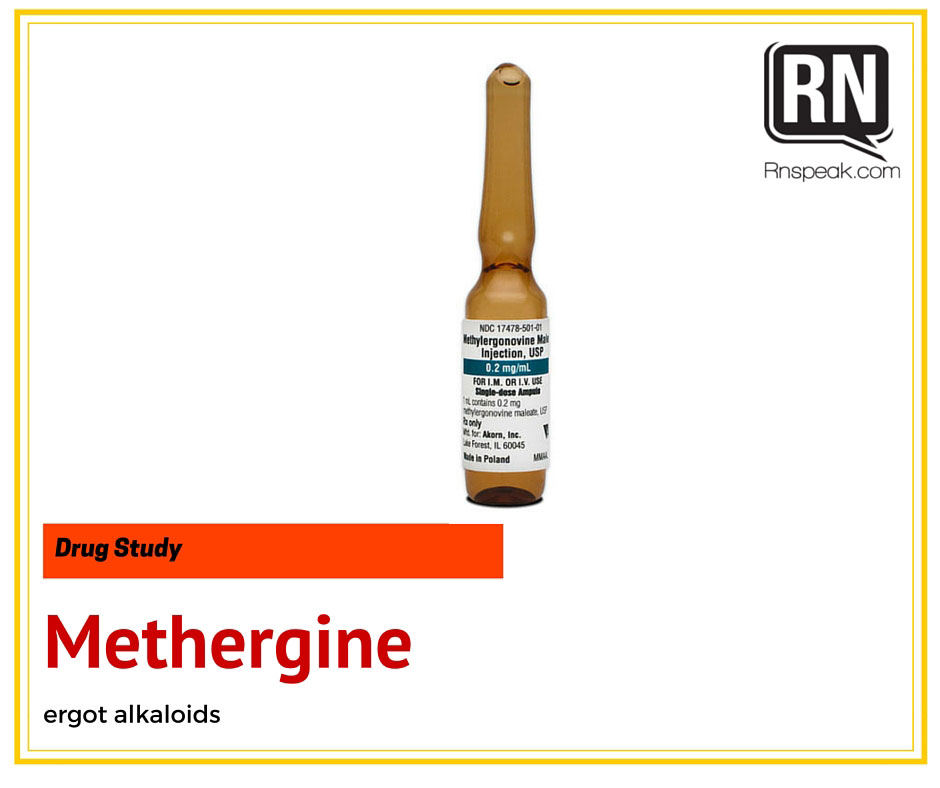



Generic Name:Diazepam(dye-az´e-pam)
Brand Name:Apo-Diazepam,Diastat,Diazemuls,E-Pam,Meval,Novodipam,Valium,Valrelease,Vivol
Classifications: central nervous system agent; benzodiazepine anticonvulsant; anxiolytic
Pregnancy Category:D
Availability
2 mg, 5 mg, 10 mg tablets; 1 mg/mL, 5 mg/mL, 5 mg/5 mL oral solution; 5 mg/mL injection; 2.5 mg, 5 mg, 10 mg, 15 mg, 20 mg rectal gel
Actions
Psychotherapeutic agent related to chlordiazepoxide; reportedly superior in antianxiety and anticonvulsant activity, with somewhat shorter duration of action. Like chlordiazepoxide, it appears to act at both limbic and subcortical levels of CNS.
Therapeutic effects
Shortens REM and stage 4 sleep but increases total sleep time. Antianxiety and anticonvulsant agent.
Uses
Drug of choice for status epilepticus. Management of anxiety disorders, for short-term relief of anxiety symptoms, to allay anxiety and tension prior to surgery, cardioversion and endoscopic procedures, as an amnesic, and treatment for restless legs. Also used to alleviate acute withdrawal symptoms of alcoholism, voiding problems in older adults, and adjunctively for relief of skeletal muscle spasm associated with cerebral palsy, paraplegia, athetosis, stiff-man syndrome, tetanus.
Contraindications
Injectable form:Shock, coma, acute alcohol intoxication, depressed vital signs, obstetrical patients, infants <30 d of age. Tablet form: Infants <6 mo of age, acute narrow-angle glaucoma, untreated open-angle glaucoma; during or within 14 d of MAO inhibitor therapy. Safe use during pregnancy (category D) and lactation is not established.
Cautious use
Epilepsy, psychoses, mental depression; myasthenia gravis; impaired hepatic or renal function; drug abuse, addiction-prone individuals. Injectable diazepam used with extreme caution in older adults, the very ill, and patients with COPD.
Route & dosage
Status Epilepticus
adult: IV/IM 5–10 mg, repeat if needed at 10–15 min intervals up to 30 mg, then repeat if needed q2–4h
child: IV/IM <5 y, 0.2–0.5 mg slowly q2–5min up to 5 mg; >5 y, 1 mg slowly q2–5min up to 10 mg, repeat if needed q2–4 h
Anxiety, Muscle Spasm, Convulsions, Alcohol Withdrawal
Adult: PO 2–10 mg b.i.d. to q.i.d. or 15–30 mg/d sustained release
IV/IM 2–10 mg, repeat if needed in 3–4 h
Geriatric:PO 1–2 mg 1–2 times/d (max: 10 mg/d)
Child: PO >6 mo, 1–2.5 mg b.i.d. or t.i.d.
Administration
Oral
- Ensure that sustained release form is not chewed or crushed. It MUST be swallowed whole. Give other tablets crushed with fluid or mixed with food if necessary.
- Supervise oral ingestion to ensure drug is swallowed.
- Avoid abrupt discontinuation of diazepam. Taper doses to termination.
Intramuscular
- Give deep into large muscle mass. Inject slowly. Rotate injection sites.
- Do NOT give emulsion form (Dizac) as IM or SC. It is for IV use only.
Adverse effects
BodyWhole: Throat and chest pain.
CNS: Drowsiness, fatigue, ataxia, confusion, paradoxic rage, dizziness, vertigo, amnesia, vivid dreams, headache, slurred speech, tremor; EEG changes, tardive dyskinesia.
CV: Hypotension, tachycardia, edema, cardiovascular collapse
SpecSenses:Blurred vision, diplopia, nystagmus.
GI: Xerostomia, nausea, constipation, hepatic dysfunction.
Urogenital:Incontinence, urinary retention, gynecomastia (prolonged use), menstrual irregularities, ovulation failure.
Respiratory:Hiccups, coughing, laryngospasm.
Other:Pain, venous thrombosis, phlebitis at injection site.
Nursing implications
Assessment & Drug Effects
- Monitor for adverse reactions. Most are dose related. Physician will rely on accurate observation and reports of patient response to the drug to determine lowest effective maintenance dose.
- Monitor for therapeutic effectiveness. Maximum effect may require 1–2 wk; patient tolerance to therapeutic effects may develop after 4 wk of treatment.
- Observe necessary preventive precautions for suicidal tendencies that may be present in anxiety states accompanied by depression.
- Observe patient closely and monitor vital signs when diazepam is given parenterally; hypotension, muscular weakness, tachycardia, and respiratory depression may occur.
- Lab tests: Periodic CBC and liver function tests during prolonged therapy.
- Supervise ambulation. Adverse reactions such as drowsiness and ataxia are more likely to occur in older adults and debilitated or those receiving larger doses. Dosage adjustment may be necessary.
- Monitor I&O ratio, including urinary and bowel elimination.
- Note: Smoking increases metabolism of diazepam; lowering clinical effectiveness. Heavy smokers may need a higher dose than the nonsmoker.
- Note: Psychic and physical dependence may occur in patients on long-term high dosage therapy, in those with histories of alcohol or drug addiction, or in those who self-medicate.
Patient & Family Education
- Avoid alcohol and other CNS depressants during therapy unless otherwise advised by physician. Concomitant use of these agents can cause severe drowsiness, respiratory depression, and apnea.
- Do not drive or engage in other potentially hazardous activities or those requiring mental precision until reaction to drug is known.
- Tell physician if you become or intend to become pregnant during therapy; drug may need to be discontinued.
- Take drug as prescribed; do not change dose or dose intervals.
- Check with physician before taking any OTC drugs.
- Do not breast feed while taking this drug without consulting physician.