

RNspeak | Nursing JournalRNspeak | Nursing JournalRNspeak | Nursing Journal
  • News
  • Nursing Stories & Tips
  • Board Exam Drills
  • Care Plans
  • Learning Resources
    • Fundamentals of Nursing
    • Anatomy and Physiology
    • Medical and Surgical Nursing
    • Surgical Nursing & Perioperative Care
    • Psychiatric Mental Health Nursing
    • Maternal & Child Nursing
    • Community Health Nursing
    • Pathophysiology
    • Pharmacology Guide
    • Nursing Research
    • Case Study
    • Clinical Skills & Lab Guides
    • Study Guide and Strategies
  • Careers
  • Nursing Video Insights
Reading: Leptospirosis Nursing Management Care Guide
Share
Notification Show More
Font ResizerAa
RNspeak | Nursing JournalRNspeak | Nursing Journal
Font ResizerAa
  • News
  • Nursing Stories & Tips
  • Board Exam Drills
  • Care Plans
  • Learning Resources
    • Fundamentals of Nursing
    • Anatomy and Physiology
    • Medical and Surgical Nursing
    • Surgical Nursing & Perioperative Care
    • Psychiatric Mental Health Nursing
    • Maternal & Child Nursing
    • Community Health Nursing
    • Pathophysiology
    • Pharmacology Guide
    • Nursing Research
    • Case Study
    • Clinical Skills & Lab Guides
    • Study Guide and Strategies
  • Careers
  • Nursing Video Insights
Follow US

Home » Nursing Notes » Community Health Nursing » Communicable Diseases » Leptospirosis Nursing Management Care Guide

Communicable Diseases

Leptospirosis Nursing Management Care Guide

RNspeak
Last updated: June 29, 2026 9:05 am
By RNspeak
Share
4 Min Read

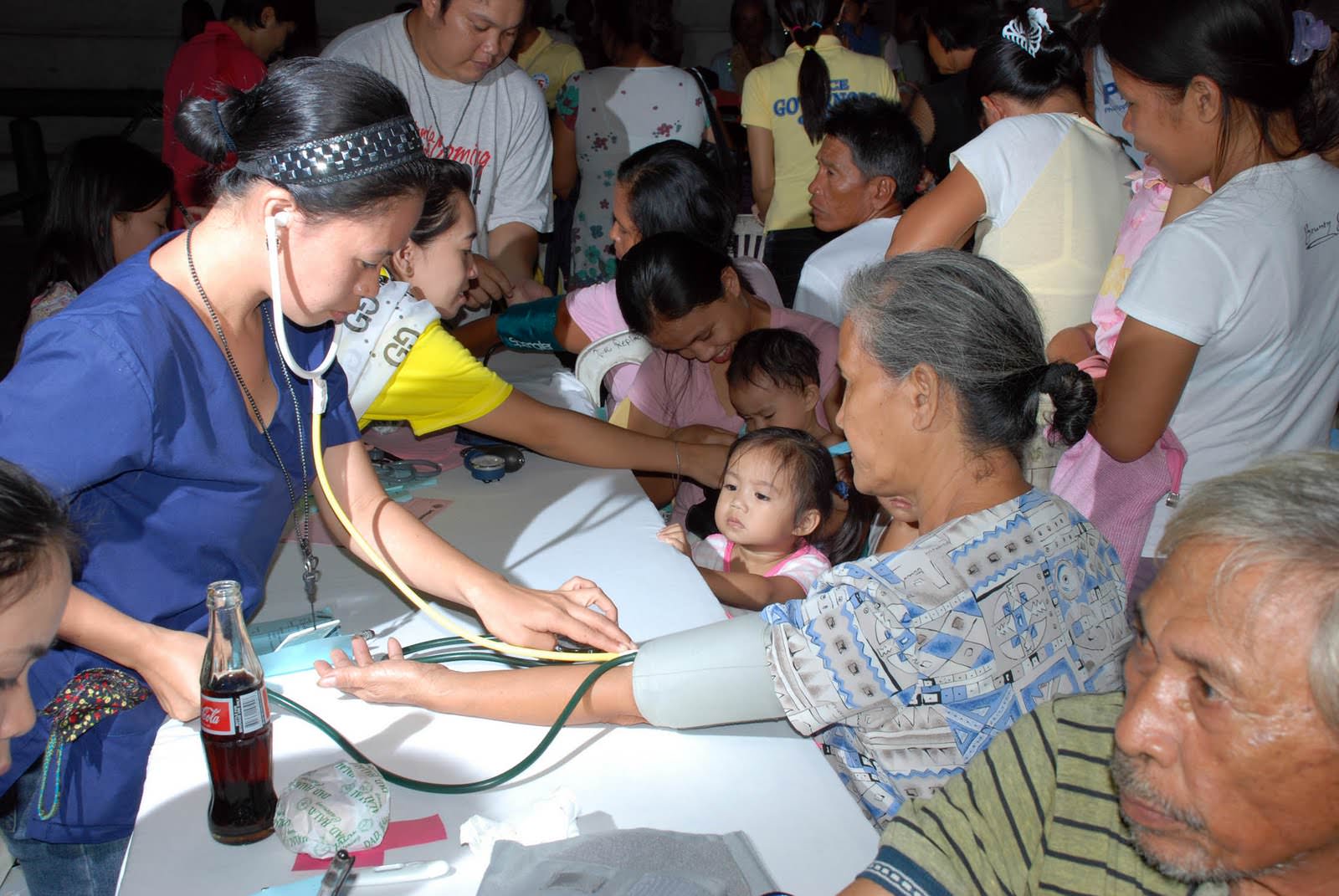
leptospirosis nursing management picture

Leptospirosis is a disease that is caused by pathogenic spirochetes of the genus Leptospira Interrogans. It is a bacterial infection passed from animals to humans by way of contaminated urine. The bacteria penetrate mucous membranes or breaks in the skin, multiply in the bloodstream, and carried to all parts of the body.

Contents
  • Causes of Leptospirosis
  • Outbreak of Leptospirosis
    • Sign and Symptoms
    • Incubation Period
    • Diagnosis
  • Nursing Management

Causes of Leptospirosis

Leptospirosis is not only acquired from absorbing contaminated floodwaters through cuts in the skin but also by swallowing the bacteria directly from water or through food. Although the disease is commonly associated with rat urine, the infection can also come from animals like cattle, pigs, horses, dogs, and wild animals.

Outbreak of Leptospirosis

The largest recorded U.S. outbreak occurred in 1998 when 775 people were exposed to the disease. Of these, 110 became infected.

- Advertisement -

In the Philippines, as of January 6, 2012, the outbreak of leptospirosis was in northern Mindanao cities of Cagayan de Oro and Iligan that were devastated by flood and reported almost 300 cases and 15 deaths according to Cagayan de Oro City Health Office.

Sign and Symptoms

Leptospirosis can cause a wide range of symptoms, including:

  • High fever
  • Headache
  • Chills
  • Muscle aches
  • Vomiting
  • Jaundice (yellow skin and eyes)
  • Red eyes
  • Abdominal Pain
  • Diarrhea
  • Rash

Many of these symptoms can be mistaken for other diseases. In addition, some infected persons may have no symptoms at all. The time between a person’s exposure to a contaminated source and becoming sick is 2 days to 4 weeks. The illness usually begins abruptly with fever and other symptoms. Leptospirosis may occur in two phases:

  • after the first phase (with fever, chills, headache, muscle aches, vomiting, or diarrhea) the patient may recover for a time but become ill again.
  • if a second phase occurs, it is more severe; the person may have kidney or liver failure or meningitis. This phase is also called Weil’s disease.

The illness lasts from a few days to 3 weeks or longer. Without treatment, recovery may take several months..

Incubation Period

The incubation period usually 7 to 12 days, with a range of 2 to 29 days.

- Advertisement -

Diagnosis

Leptospirosis can be diagnosed by its clinical manifestation culture of the organism examination of blood and CSF during the first week of illness and urine after the 10 days.

Generally, it is not necessary to confirm the diagnosis or wait for the result of the tests before starting treatment. The clinical assessment and epidemiologic history are more important. Early recognition and treatment is MORE important to prevent complications of severe disease and mortality.

Treatment

- Advertisement -

Penicillins and other B- lactam antibiotics(PCN at 2M units q6H IM/IV)
Tetracycline(Doxycycline at 100mg q12H PO)
Erythromycin (500mg q12H PO)- if allergic to Penicillin

Nursing Management

Health teaching

  • Provide education to clients telling them to avoid swimming or wading in potentially contaminated water or flood water.
  • Use of proper protection like boots and gloves when work requires exposure to contaminated water.
  • Drain potentially contaminated water when possible.
  • Control rats in the household by using rat traps or rat poison, maintaining cleanliness in the house.

Management

  • Isolate the patient and concurrent disinfection of soiled articles.
  • Stringent community-wide rat eradication program. Remove rubbish from work and domestic environment to reduce the rodent population.
  • Report all cases of leptospirosis.
  • Investigation of contacts and source of infection
  • Chemoprophylaxis can be done in a group of high-risk infected hosts.
TAGGED:diseasehealth teachingillnessinfectious
Share This Article
Facebook Pinterest Whatsapp Whatsapp Email Copy Link Print
ByRNspeak
Follow:
This community comprises professional nurses who possess exceptional literary skills. They come together to share their expertise in theoretical and clinical knowledge, nursing tips, facts, statistics, healthcare information, news, disease data, care plans, drugs, and all aspects encompassed by the field of nursing. The information presented here is provided by individual authors and is expressed with courtesy. It is important to note that the views expressed on various topics may not necessarily represent those of the entire community. The articles submitted to this platform are original, meticulously checked for minor typographical errors, and formatted to ensure compatibility with the site. The site's primary goal is to consistently enhance and disseminate healthcare information that is pertinent to the ever-evolving world we live in today.
Previous Article nurse resignation On the Brink of Resignation – When to Let go and When to hold on?
Next Article valentines nurse date Why Should You Date a Nurse this Valentine’s Day ?
2 Comments 2 Comments
  • Carroll Seldomridge says:
    November 20, 2012 at 5:15 pm

    I always use a rat poison that is not damaging to the environment. there are so many organic alternatives out there.

    Reply
  • Gale Kieler says:
    July 16, 2012 at 2:30 am

    Today, we must use organic rat poison because it does not affect other animals. Chemical rat poisons are very dangerous to the environment. :.’,` With appreciation vitamin dosage blog

    Reply

Leave a Reply Cancel reply

Your email address will not be published. Required fields are marked *

This site uses Akismet to reduce spam. Learn how your comment data is processed.

You Might Also Like

guillain-barresyndrome nurisng management
Medical and Surgical Nursing

Guillain-Barré Syndrome How Nurses Should Manage

By RNspeak
Nurse-in-barrio
Journals and Essays

Nurse’s Role in Health Promotion

By RNspeak
Communitty Volunteer nurse
Nurses Stories

Community Health Nursing: Boring or Interesting?

By Connie Cris RN
acuteglomerulonephritisnursingmanagement
Medical and Surgical Nursing

Acute Glomerulonephritis (AGN) Nursing Intervention

By RNspeak
Rnspeak mobile logo 2020 update
Facebook X-twitter Instagram
  • About
  • Work for Us!
  • Contact
  • Privacy Policy
  • Disclaimer
  • Advertise

© 2026 RNspeak. All Rights Reserved.

Welcome Back!

Sign in to your account

Username or Email Address
Password

Lost your password?